
Q&A with CIC Board Member Rabbi Joseph Rosen
CIC Board Member Rev. Robb Harrell from St. John’s Lutheran Church sat down with Rabbi Rosen on February 13 to discuss their shared passion for interfaith work and their recent moves to Charleston.
Rev Robb: How did you end up in Charleston?
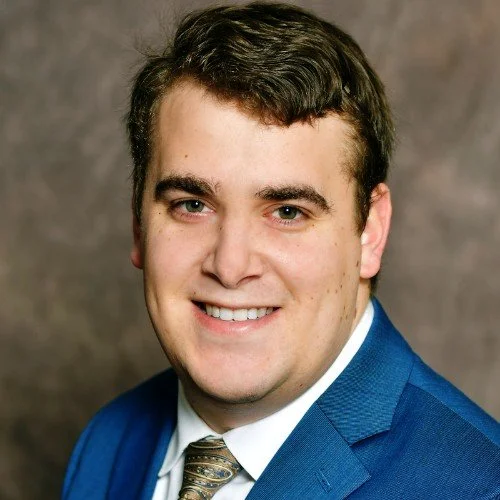
Rabbi Joseph Rosen
Rabbi Joseph: When I was taking the next step in my rabbinate, I sought a congregation with a strong culture of collaboration, strong mentorship from a Senior Rabbi, and deep investment in its youth. And I wanted to be in a city that appreciated its religious heritage, was warm and welcoming, and buzzed with character. As far as congregations go, KKBE excels in its inclusive and collaborative style.
During my interview, I was asked to do a teaching session for the high school students. They were engaged and asked good questions. While we walked to dinner, I’ll never forget how proud my search committee was of the students' engagement with me. I was excited to become their religious school rabbi. Rabbi Stephanie Alexander was willing to share her Torah and empower me, along with everyone else I met.
And, of course, there’s Charleston. The Holy City engages with history, offers a vibrant food culture, and is an exciting magnet for those seeking a warm and welcoming community.
Rev. Robb: Your previous synagogue in Mississippi recently suffered an arson attack. Where do you find hope and strength in a time when polarization and violence seem so prevalent?
Rabbi Joseph: I visited my previous community in Jackson a week after the attack. I was already planning to visit for an adult Bat Mitzvah. When I called to check on Tamar, the Bat Mitzvah girl, the first thing she told me was that the celebration was still happening. Beth Israel has been using the sanctuary at Northminster Baptist Church for their worship. In the 1960s, when Northminster was forming, Beth Israel decided not to rent sanctuary space on Sundays and instead offered them free worship. That kindness has been returned and reciprocated many times, and no one minded holding Jewish Shabbat services in sight of a cross. Before the Bat Mitzvah that weekend, I surveyed the damage at Beth Israel. But when Shabbat arrived, the dark cloud that had cast shadows of ash and scars of flame was gone. I visited the Beth Israel religious school and gathered at another school the following Sunday. For a group activity, the kids polished some of the silver rescued from the kitchen. They had been telling me how, in response to the horrors inflicted, they’re just going to “be more Jewish.”
This is where I find hope. Life continues. When we are still grappling with the growing chasms between us, we look to the simplest acts of kindness. Step by step, we can build momentum for the larger tasks ahead. The work never stops.
Rev. Robb: As a leader in a religious community, how do you engage the topic of interfaith dialogue and cooperation in your community?
Rabbi Joseph: Just a few weeks ago, Jews around the world read the Torah portion Yitro. Yitro is the Hebrew for Jethro, Moses’ Midianite and non-Israelite father-in-law. This parsha (Weekly Torah Portion) recounts the revelation of the Torah, including the reading of the Ten Commandments at Mount Sinai. But before this legendary scene takes place, Jethro sees Moses overwhelmed, trying to hold everything together. Jethro says it is too much for one man to do alone. He suggests a system of judicial delegation, with elders serving as judges, handling smaller conflicts and crises so Moses can remain focused on the big picture.
Torah teaches us to be mindful of new perspectives. This suggestion doesn’t come from God, but from a clergy of another faith. If we don’t take advantage of the opportunity for discussion and shared experience, we can never fully appreciate the world. Jewish tradition has its own term for this concept in B’tzelem Elohim. In Genesis, we read that each living creature is created in the image of the Eternal. How beautiful it is when we can gather and work to see that spark in each other. And in a world divided, we need more sparks to guide us.